
Pet Walls
All Articles
-
Why the Doorbell Sends Some Dogs Over Threshold—and How to Redesign the Routine
The doorbell predicts a burst of activity: people arrive, doors open, voices rise. Changing the sequence can be more useful than shouting over the barking.
-
Make a Home Easier for a Senior Cat Before Mobility Becomes a Crisis
Small changes to litter boxes, food stations, resting places, and jumping routes can help an aging cat keep familiar routines.
-
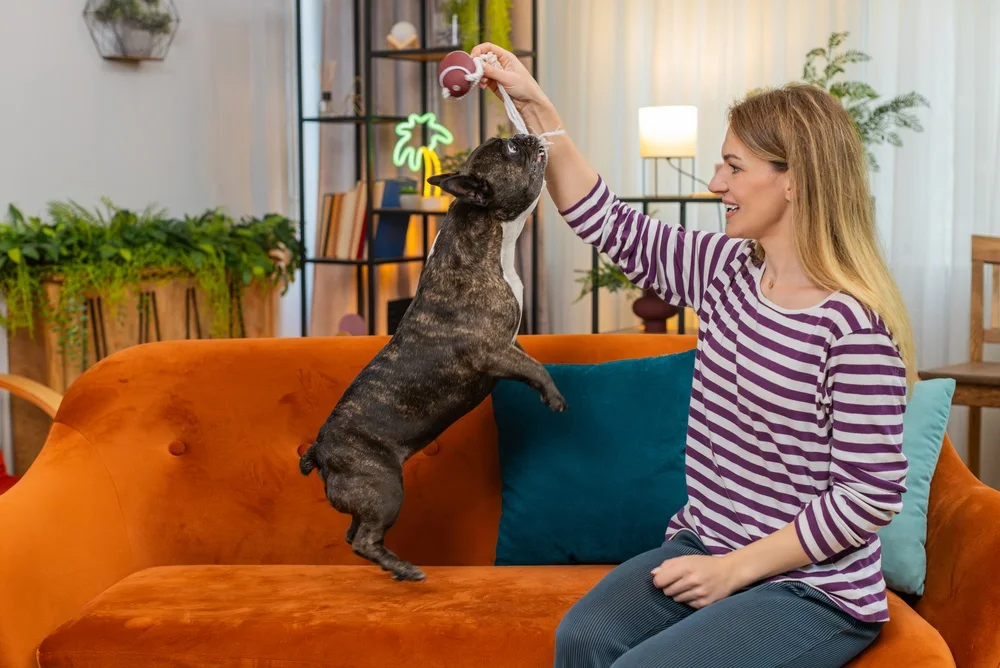
Build a Pet Emergency Go-Bag Before You Need One
An emergency kit is easier to build on a quiet weekend than during an evacuation, power outage, wildfire, flood, or sudden hospital trip.
-

What a Pet Camera Can—and Cannot—Tell You About a Dog Left Alone
A camera can reveal timing and patterns, but barking or destruction on video does not by itself diagnose separation anxiety.
-

Pet-Safe Cleaning Is More Than Buying a 'Natural' Spray
Labels such as natural or green do not automatically tell you whether a cleaner is safe for a dog, cat, bird, or other pet.
-
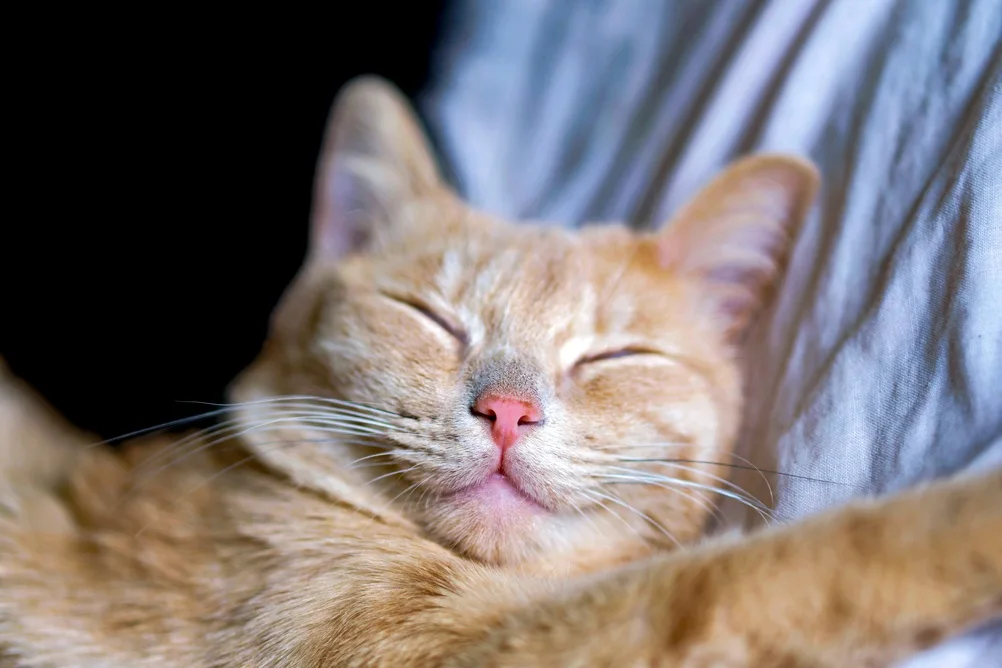
Window Watching for Cats: Enrichment, Frustration, and How to Tell the Difference
A window perch can be excellent enrichment, but outdoor cats, prey, or neighborhood activity can also leave some cats agitated.
-
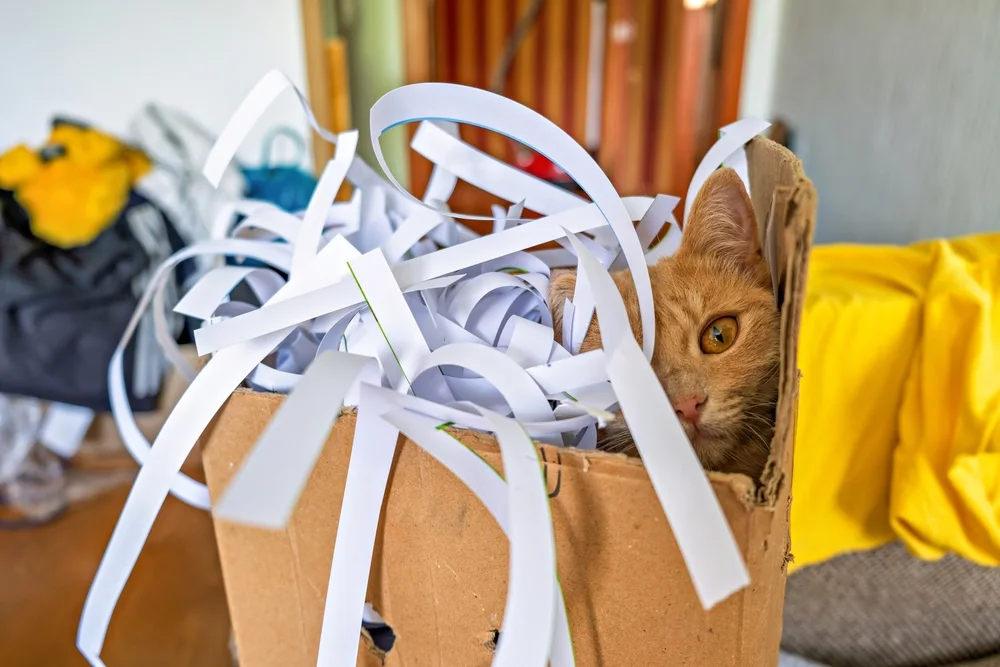
Feeding Multiple Cats: Why One Big Bowl Can Hide Tension
Cats do not need to fight openly for mealtime to be stressful. Separate resources can make subtle competition easier to spot and manage.
-
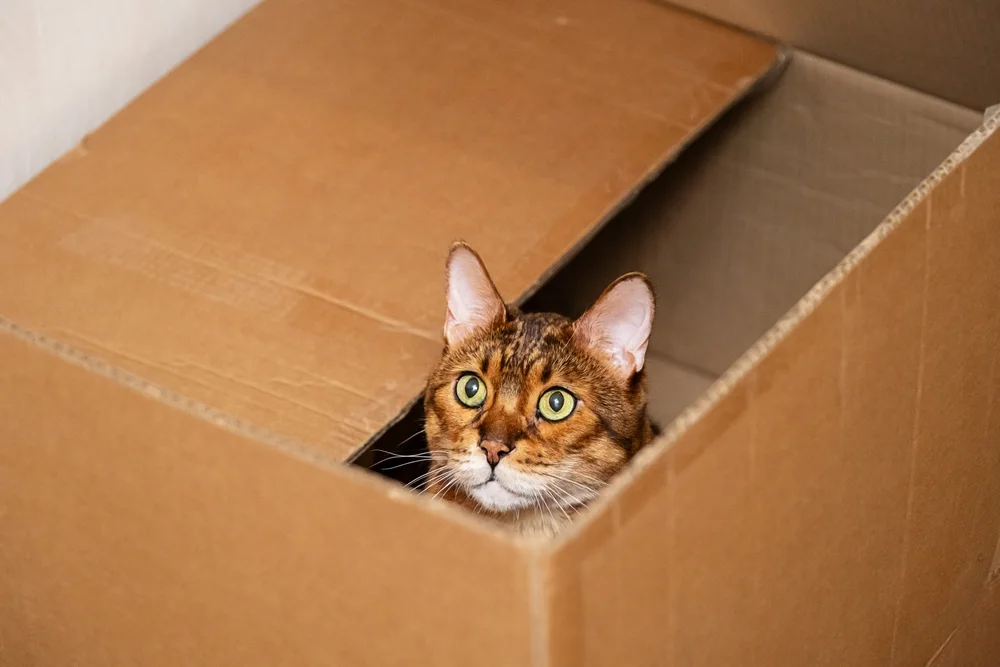
Moving With a Cat or Dog: Why One 'Home Base' Room Can Make the First Days Easier
A new home is full of unfamiliar smells, sounds, doors, and escape routes. Gradual exploration can be easier than opening every room at once.
-

Resource Guarding in Dogs: Why Taking the Bowl Away Can Make Things Worse
Growling around food or valued objects is a safety issue, not a dominance contest. Management and qualified help matter more than proving you can take things away.
-
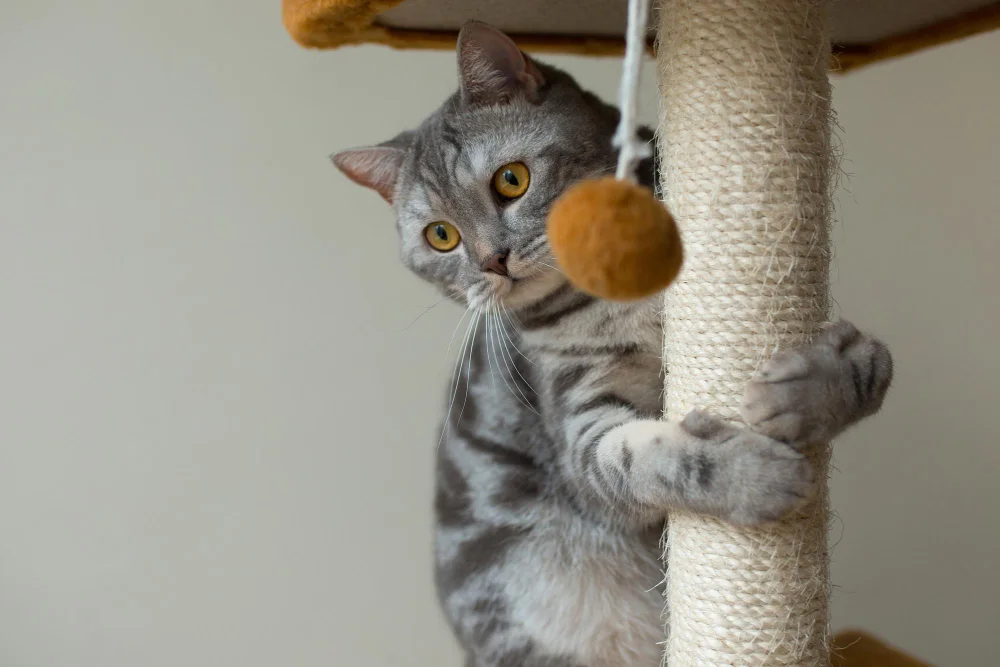
Your Cat Ignores the Scratching Post: The Problem May Be Where You Put It
A scratching post hidden in a spare room may lose to the sofa for a simple reason: cats often scratch where the behavior is useful to them.
-
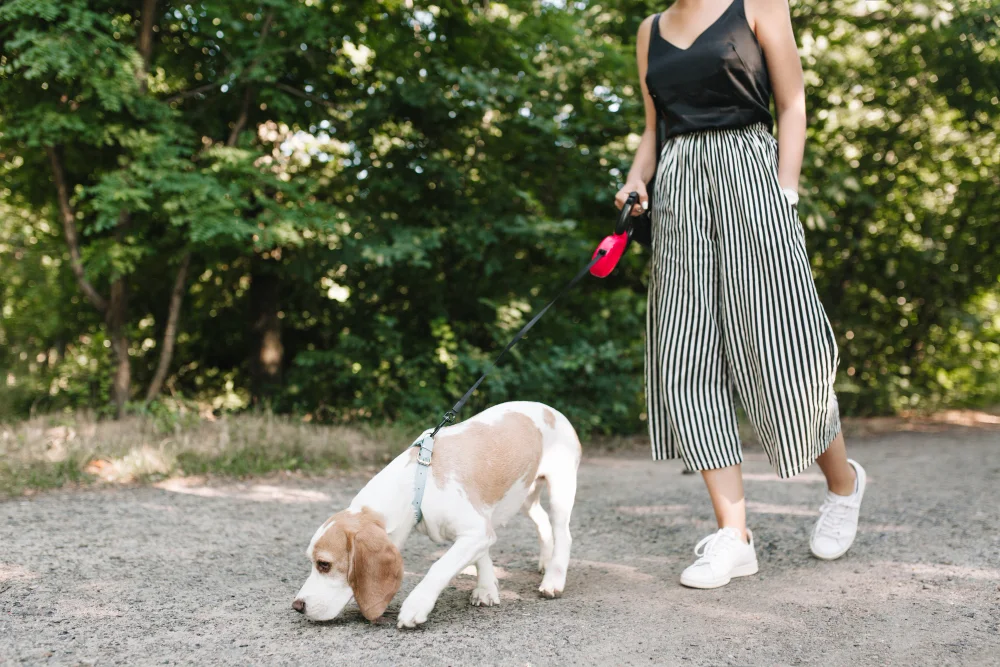
Why a Sniff Walk Can Tire a Dog Out Differently Than a Fast Walk
A slow walk full of sniffing is not a failed exercise session. For many dogs, using the nose is meaningful mental enrichment.
-
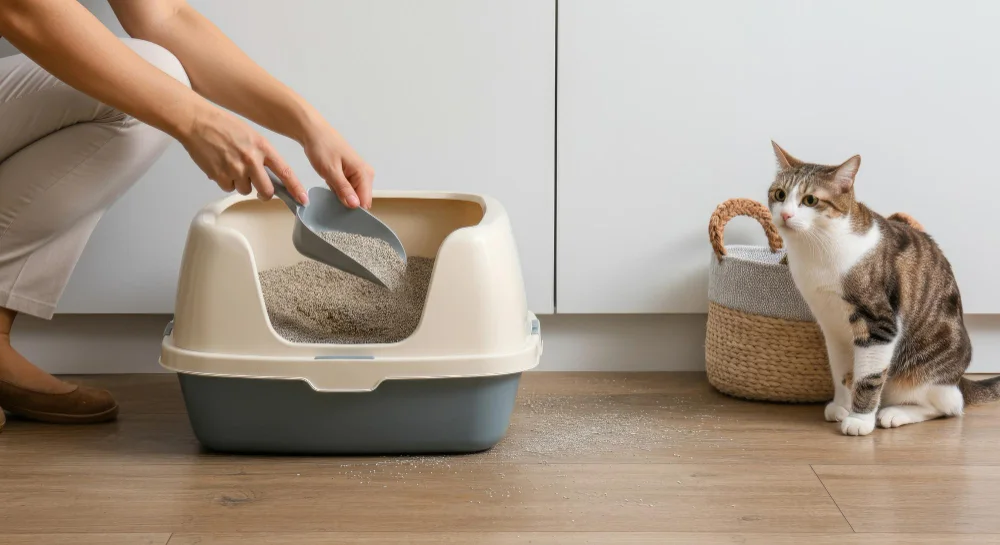
Where Should You Put a Cat's Litter Box? Quiet, Accessible, and Hard to Ambush
Where a litter box sits can matter as much as the box itself. Learn how noise, escape routes, other pets, and accessibility shape litter-box use.
-

How to Help a Cat Feel Safer in a Carrier Before Travel Day
Learn how to gradually acclimate your cat to a carrier using expert tips, ensuring a safer and more comfortable travel experience.
-
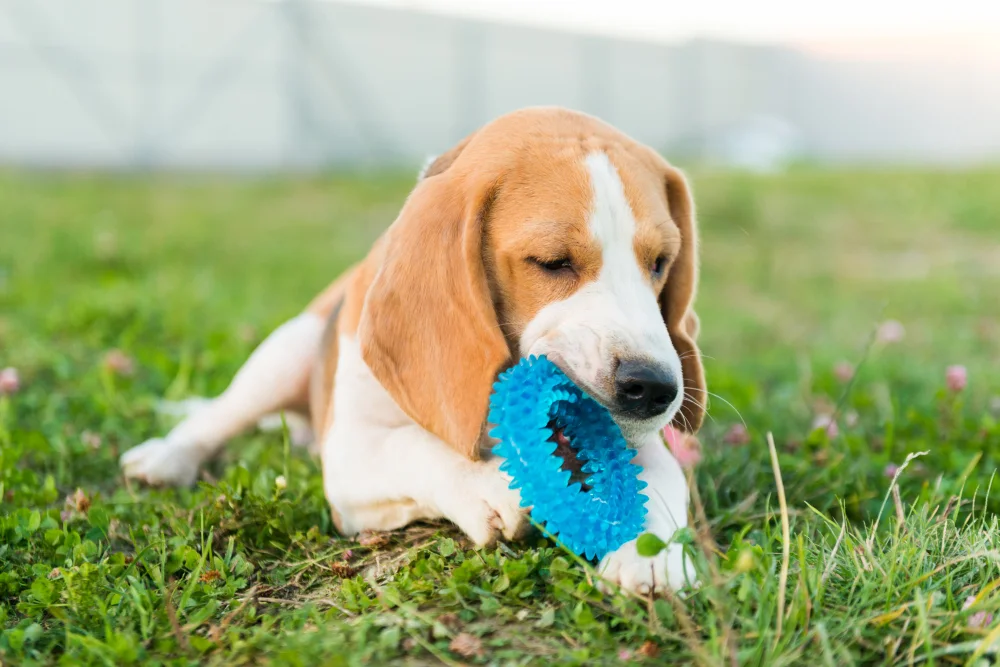
A Simple Enrichment Rotation for Dogs Without Buying More Toys
Discover a cost-effective weekly enrichment plan for your dog that focuses on sniffing, foraging, training, and rest. Customize it to suit your dog's needs without purchasing new toys.
-
Why Your Cat Bites During Petting: Notice the Signals Before the Bite
Petting bites often happen when a cat has had enough contact, and subtle changes in the ears, tail, skin and posture usually provide an early warning.
-

Winter Paw Care for Dogs: Ice, Road Salt, Boot Fit and the After-Walk Check
A practical winter paw routine covering inspection, road salt, ice, gradual boot introduction, washing, drying and veterinary warning signs.
-

How to Build a Calm Daily Routine for an Adult Dog
Repeat meals, a longer walk, a quiet rest spot, short training, and supervised social time for an adult dog.
-

How to Choose Pet Gear by Fit, Function, and Maintenance
Measure the pet, match the gear to walking, training, or travel, and choose something you can clean and replace.
-
What to Research Before Bringing Home a Small Pet
Check diet, habitat, lifespan, space, veterinary care, cost, and local rules before a small pet comes home.
-

How to Break a Training Goal into Clear, Repeatable Steps
Split a training goal into a named endpoint, small steps, one shared command, and a reward you repeat.