Small changes to litter boxes, food stations, resting places, and jumping routes can help an aging cat keep familiar routines.
Notice the route, not just the destination
A cat may still sleep on the sofa but take longer to get there, pause before jumping, or use furniture as intermediate steps. Those route changes can be early clues that the old setup is becoming harder.
Lower-entry litter boxes can remove a daily obstacle
ASPCA notes that geriatric cats and cats with physical limitations may struggle with high-sided or top-entry boxes. A lower entrance can preserve access while still keeping enough wall height to contain litter.
Duplicate important resources
If the cat spends most of the day upstairs, making it travel downstairs for water or the litter box adds unnecessary effort. Multiple accessible stations can help in larger or multi-level homes.
Create intermediate steps
A stable stool, pet step, or carefully positioned furniture can reduce the size of jumps to favorite beds or windows. Stability matters more than appearance; a wobbling step can make the route less trustworthy.
Warmth and grip can matter
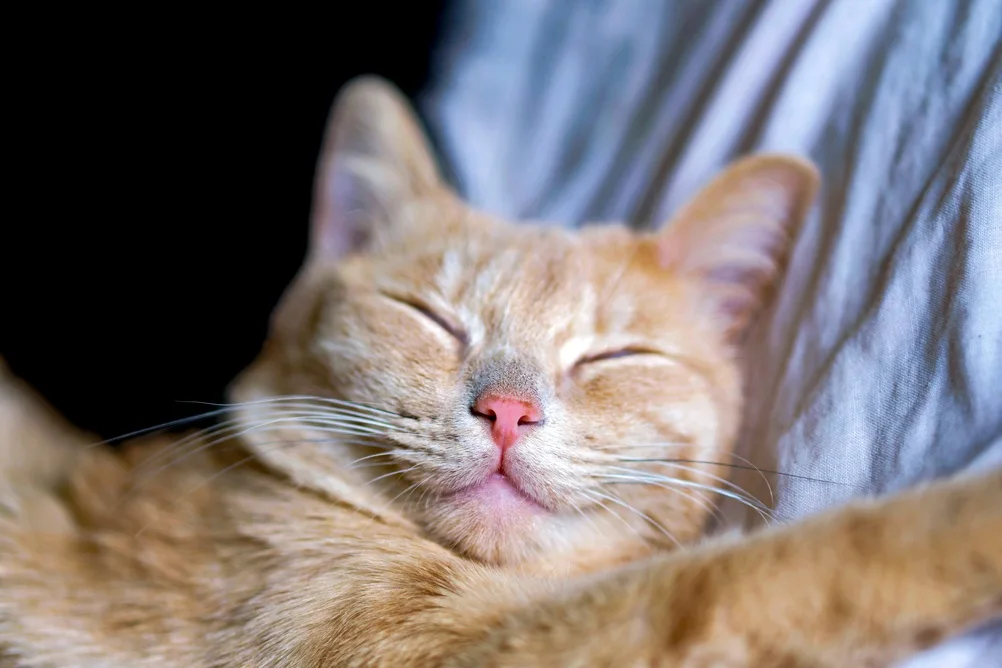
Soft warm resting areas are often appealing, while slippery floors can make movement harder. Secure rugs or runners can add traction, provided they do not slide or create trip hazards.
Mobility change deserves a veterinary conversation
Do not assume slowing down is simply 'old age.' Arthritis, dental disease, vision changes, kidney disease, and many other conditions can alter behavior and movement. Environmental adaptation works best alongside appropriate veterinary assessment.
Sources and further reading
ASPCA, “Litter Box Problems,” including accessibility considerations for geriatric cats and cats with physical limitations.