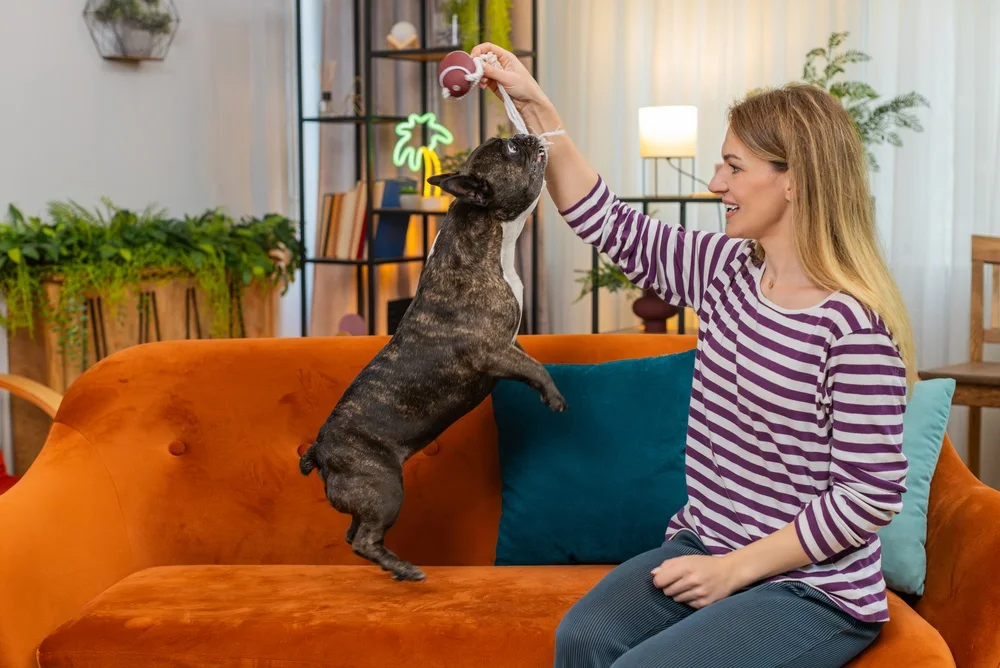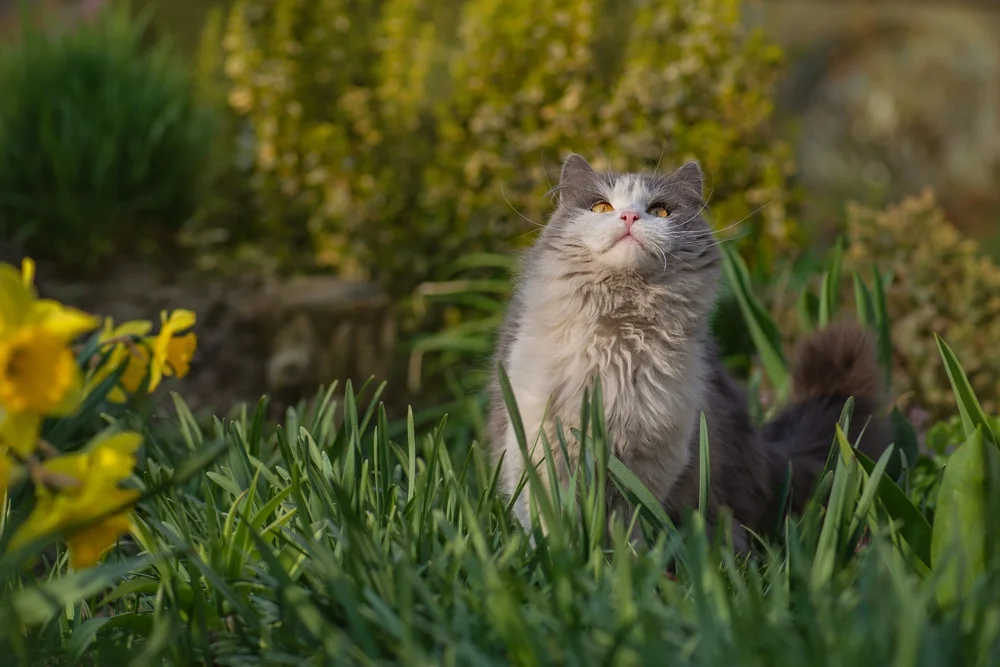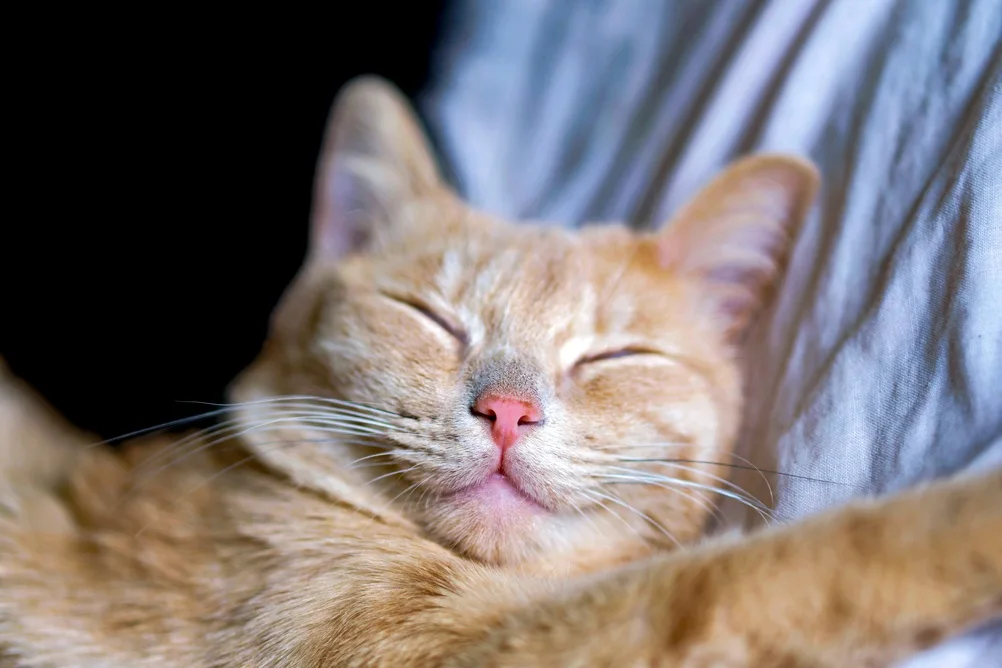
A window perch can be excellent enrichment, but outdoor cats, prey, or neighborhood activity can also leave some cats agitated.
Watching can be real enrichment
A secure perch gives an indoor cat changing visual and auditory information. ASPCA enrichment guidance even suggests placing bird or squirrel activity where cats can observe it from a window.
Body language tells you how it lands
A relaxed cat may watch, shift position, groom, nap, and return later. A cat that remains rigid, lashes the tail, vocalizes intensely, redirects aggression, or patrols windows for long periods may be experiencing a different emotional state.
Outdoor cats can change the equation
A neighborhood cat appearing near the window can trigger territorial arousal. If tension follows a predictable sightline, temporary privacy film or changing access at certain times may help.
Make the perch physically safe
Secure screens and windows, especially on upper floors. The perch itself should not wobble or tip. A window that opens a few centimeters is not automatically escape-proof.
Do not make wildlife perform for the cat
If you use an outdoor bird feeder, consider placement and local wildlife guidance so it does not create unnecessary predation risk or sanitation problems. The goal is observation, not turning the window into a hunting opportunity.
Pair passive watching with active outlets
Window time is one enrichment channel. Interactive play, climbing, scratching, food puzzles, and social interaction create a broader environment and reduce dependence on a single stimulus.
Sources and further reading
ASPCA, “At-Home Tips for Keeping Your Pets Busy and Engaged.”