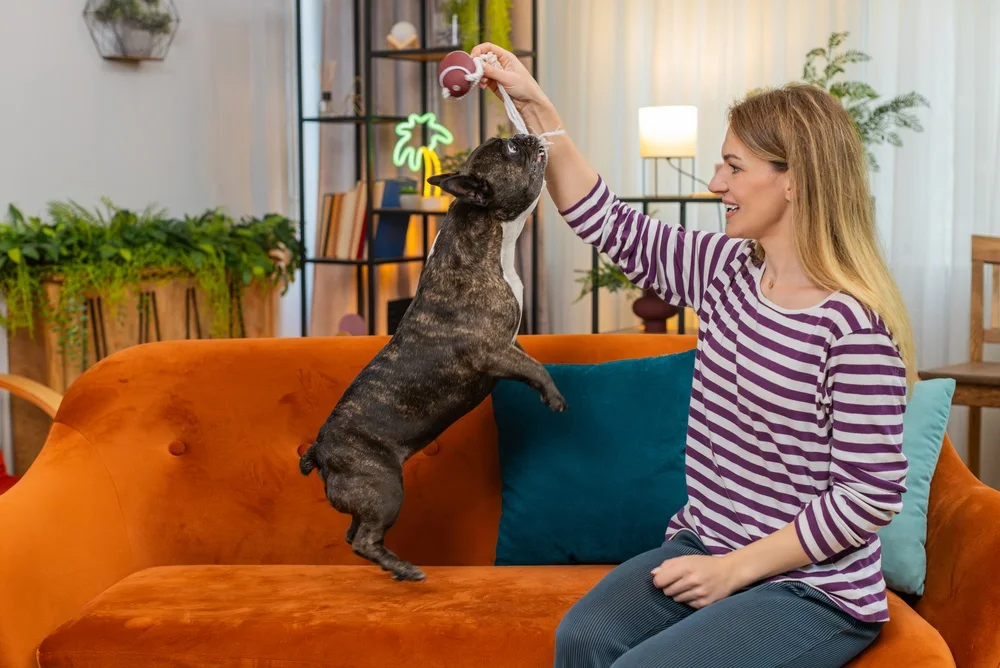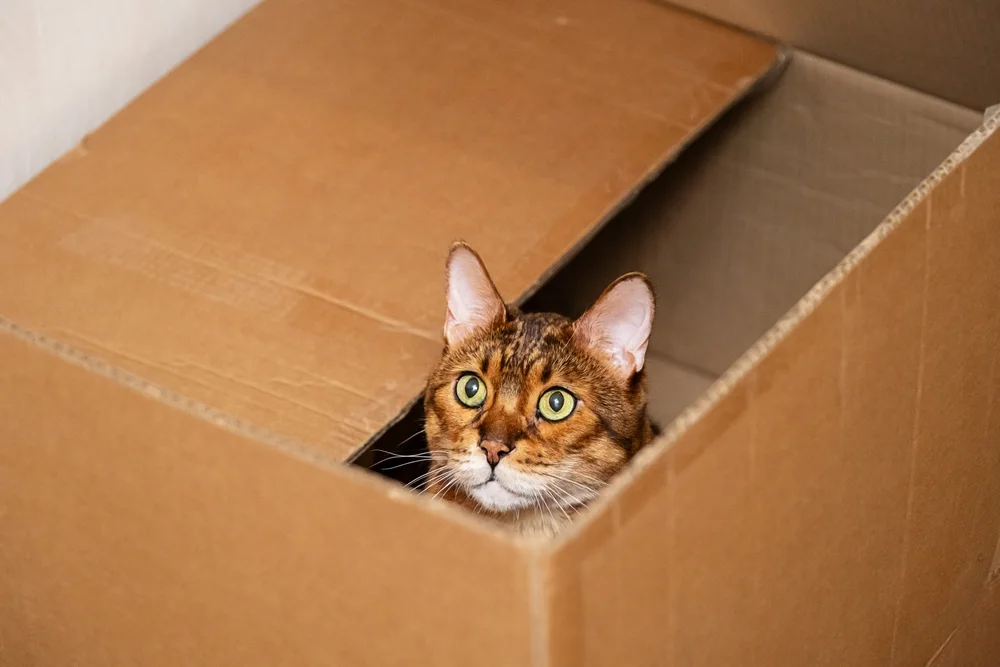
A new home is full of unfamiliar smells, sounds, doors, and escape routes. Gradual exploration can be easier than opening every room at once.
The empty house should be pet-proofed first
Before the pet arrives, inspect cords, screens, balconies, gaps behind appliances, toxic plants, pest-control products, and doors that may be left open by movers. ASPCA specifically recommends checking windows, hiding cords, blocking places where pets can become trapped, and removing poison hazards.
Start smaller than the whole house
For many pets, especially cats, one prepared room can serve as a predictable home base. Include water, familiar bedding, hiding options, and the litter box for cats. ASPCA recommends gradual access to additional rooms as the animal becomes comfortable.
Keep familiar smells where possible
Moving day tempts people to wash every bed and blanket. Keeping some familiar-smelling items can give the animal recognizable cues in an otherwise unfamiliar environment.
Doors are the highest-risk moments
Movers, deliveries, and people carrying boxes create repeated escape opportunities. Keep the pet securely separated during the busiest period and update identification and microchip contact details before the move.
Do not force a house tour
A cat hiding under a safe piece of furniture does not need to be carried room to room for an introduction. A dog that is scanning and pacing may also benefit from a quieter first evening. Let exploration expand at a manageable pace.
Watch for changes that are more than adjustment
Reduced appetite for a short period can accompany stress, but prolonged refusal to eat, repeated vomiting, breathing difficulty, urinary problems, marked lethargy, or other concerning signs need veterinary advice. 'We just moved' should not automatically explain every health change.
Sources and further reading
ASPCA, “Moving With Your Pet.”