Cats run at night because they are most active at dawn and dusk. A burst of energy, often called zoomies, is normal and is stronger when daytime play was too short. An evening play session and a meal before bedtime can use that energy; a sudden change in behavior needs a veterinarian.
Natural Activity Hours
Cats are crepuscular animals, meaning they are most active during the twilight hours of dawn and dusk. This natural inclination is a result of their evolutionary history as predators, where hunting during these times proved most successful.
Increased Energy at Night
Many cats experience a burst of energy during the night, often referred to as 'zoomies'. This behavior is a normal expression of their playful and hunting instincts.
Insufficient Daytime Activity
If a cat does not receive enough physical and mental stimulation during the day, they may have excess energy to expend at night. Providing interactive toys and playtime can help manage this.
Play and Hunting Instincts
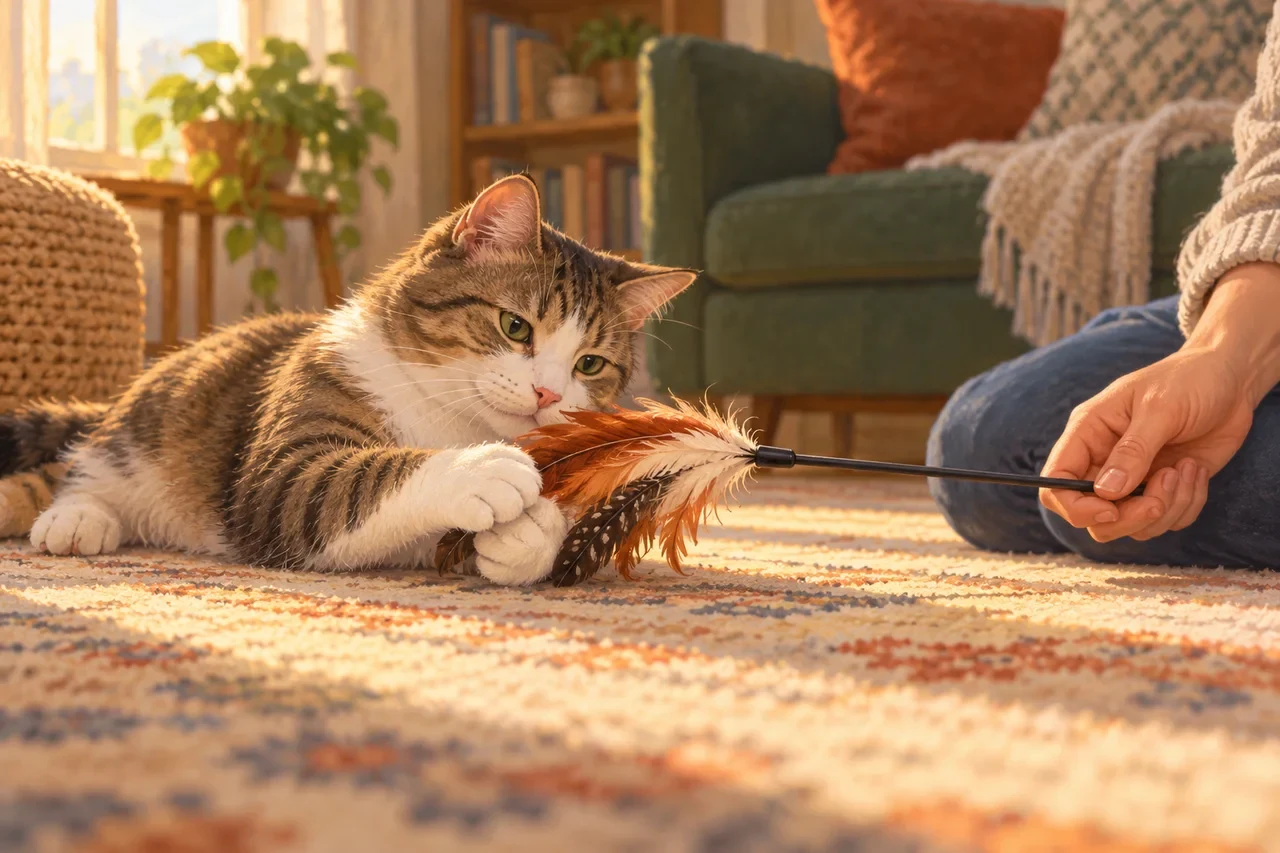
Engaging your cat in play that mimics hunting can satisfy their instincts and tire them out. Consider using toys that simulate prey movements.
Establishing an Evening Play Routine
Creating a regular play routine in the evening can help your cat expend energy before bedtime, potentially reducing nighttime activity.
Effect of Feeding Times
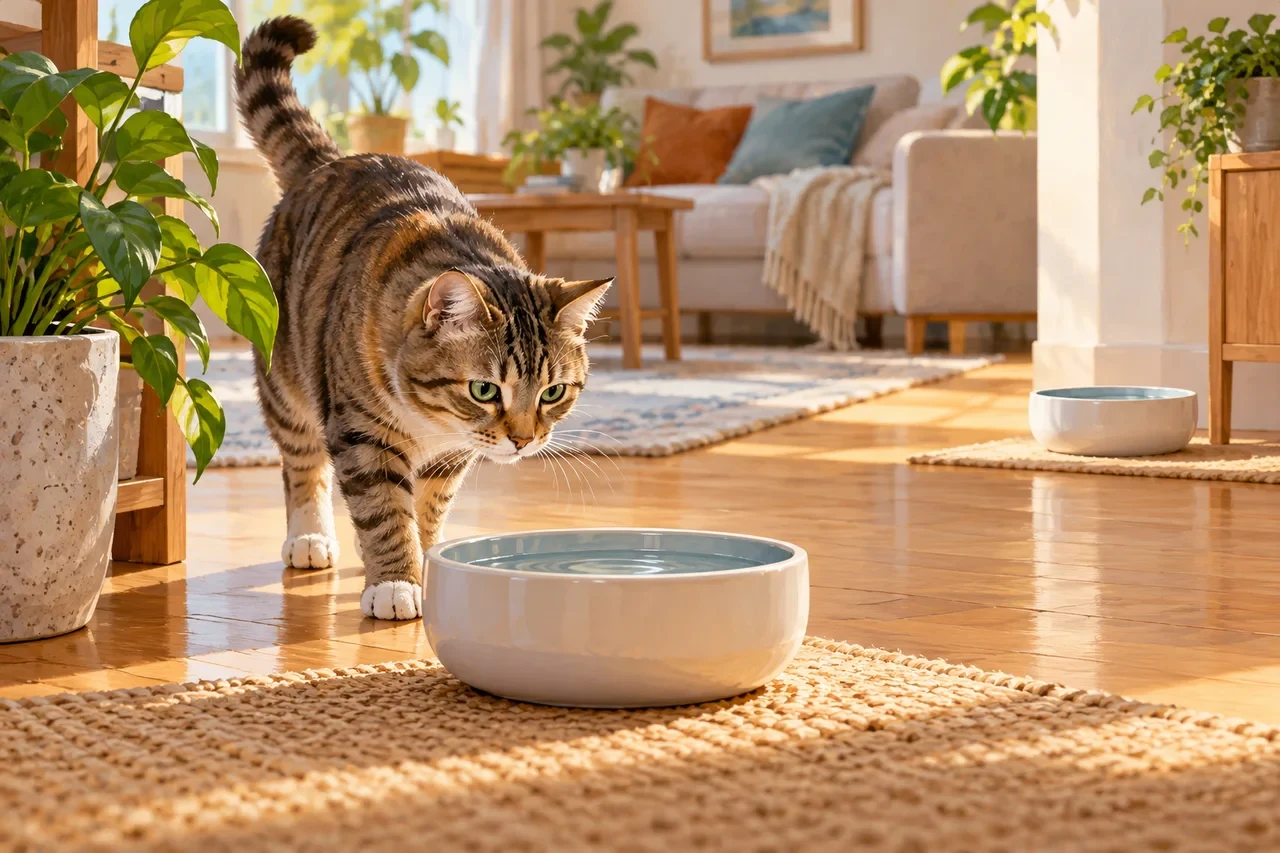
Feeding your cat before your own bedtime can also help, as a full stomach may encourage them to rest.
Normal vs. Sudden Behavior Changes
While nighttime activity is normal, sudden changes in behavior could indicate health issues. If your cat's behavior changes abruptly, consult a veterinarian.
For more insights on cat behavior, visit Pet Walls.